The Nostalgic Rapids: Is Pagsanjan Falls Still Manila’s Top Adventure?
The Nostalgic Rapids: Is Pagsanjan Falls Still Manila’s Top Adventure?
If you visited Manila in the early 2000s, Pagsanjan Falls was likely at the very top of your itinerary. It was the quintessential Philippine adventure—shooting the rapids in a narrow dugout canoe. However, in recent years, the buzz around Pagsanjan seems to have quieted down in favor of DIY destinations like Tagaytay or the beaches of Batangas.
Is Pagsanjan a "forgotten" relic of mass package tours, or a hidden gem waiting for a comeback?
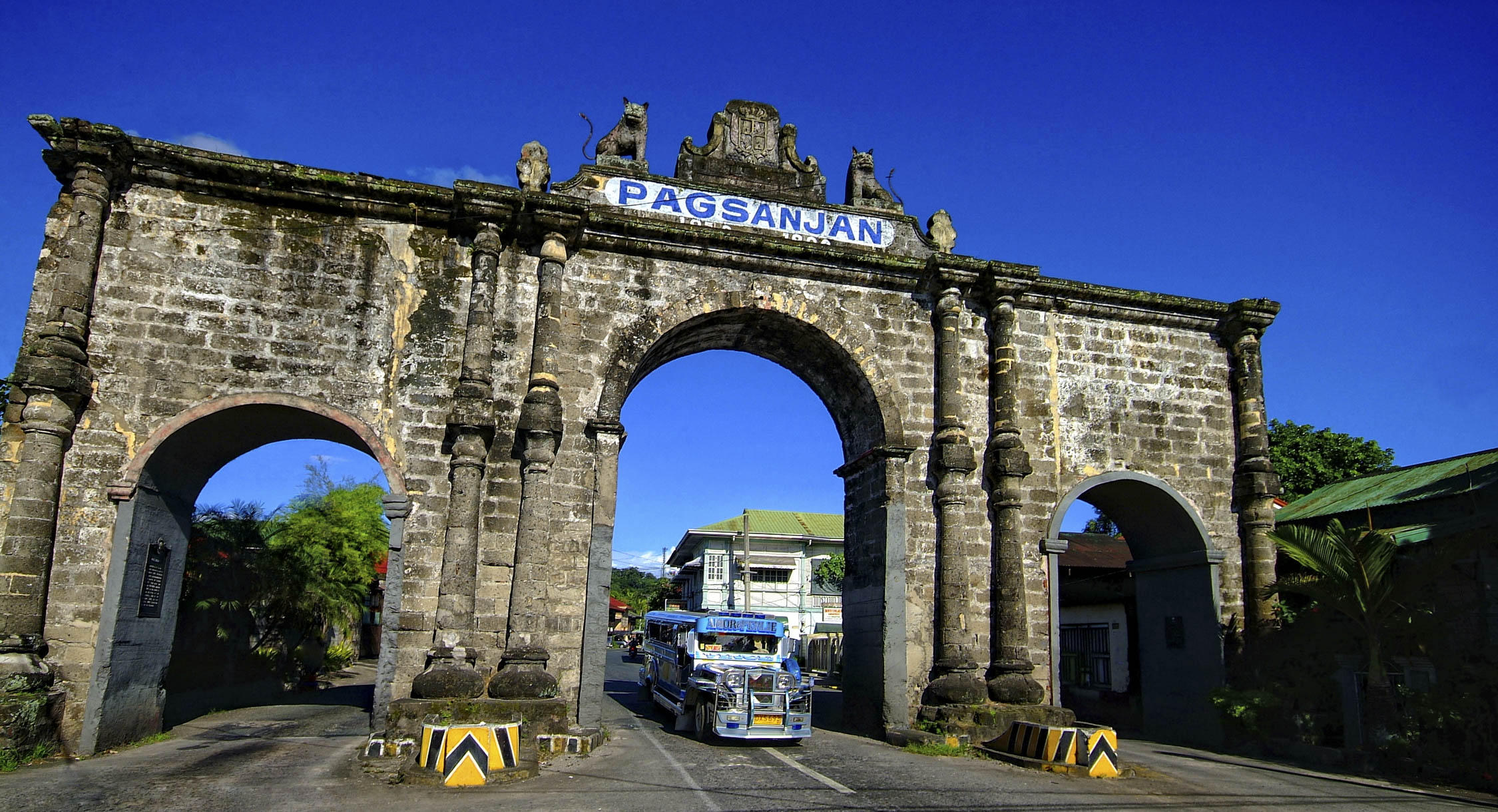
The historic Pagsanjan Gate: A symbol of the town's rich colonial heritage.
1. Why the Shift? From Package Tours to DIY
In the 2000s, Pagsanjan was the darling of Korean and Japanese package tours. Its proximity to Manila made it an easy day trip. So, why is it less mentioned today?
- The Rise of Instagrammable Spots: Modern travelers often prioritize "aesthetic" locations. While Pagsanjan is beautiful, it is a rugged, wet, and raw experience that doesn't always allow for the perfect selfie.
- Aggressive Tipping Culture: Historically, the "Bangkero" (boatmen) gained a reputation for aggressive tipping demands, which soured the experience for many free travelers.
- Exploration of New Frontiers: As DIY travel became easier, tourists began exploring deeper into Batangas, Zambales, and even the "hidden" falls of Rizal.
2. The Experience Today: What to Expect
Despite the shift in trends, the physical beauty of the Magdapio River (the actual name of the river leading to the falls) remains untouched.
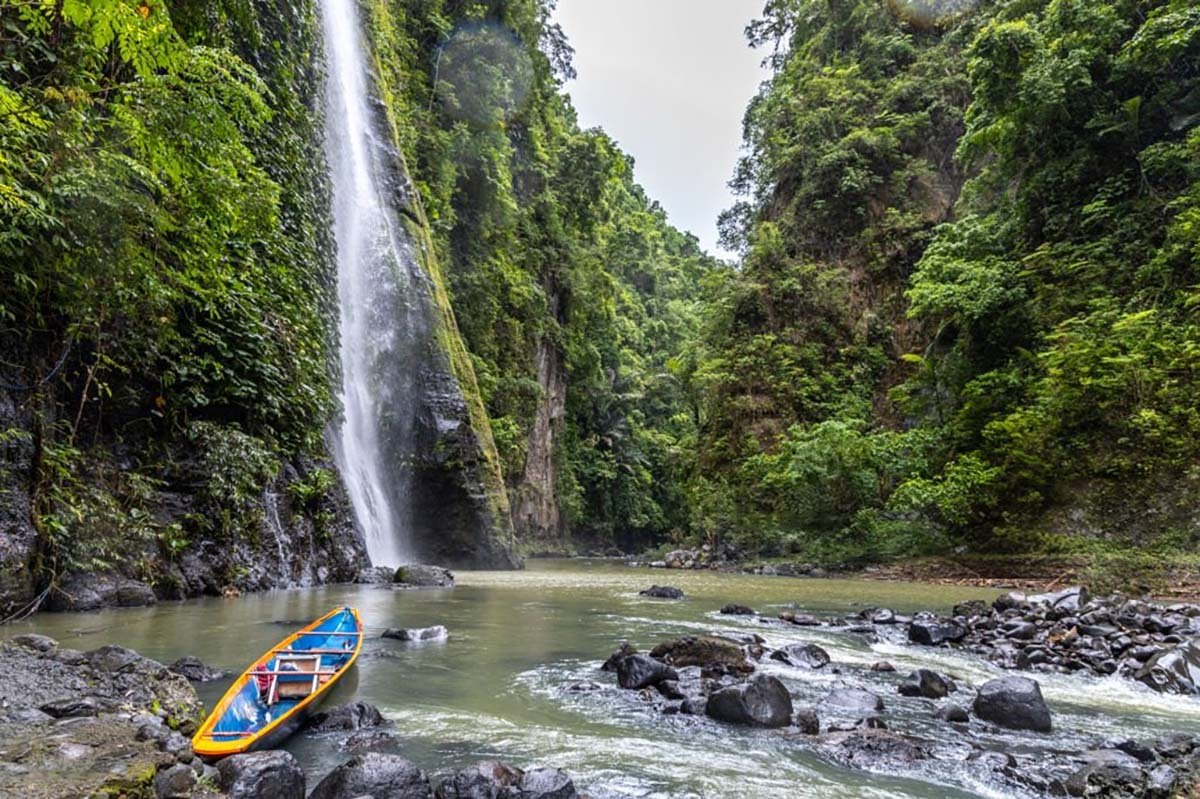
Upstream through the lush canyons: The most scenic part of the journey.
Shooting the Rapids
The highlight is still the boat ride. Two boatmen will maneuver your canoe upstream through 14 rapids. It is a masterclass in human strength and coordination.
The Main Falls and the Devil’s Cave
Once you reach the main waterfall, you can take a bamboo raft (balsa) directly under the cascading water into the "Devil’s Cave." The sheer force of the water is a natural hydro-massage that remains one of the most unique experiences in Laguna.
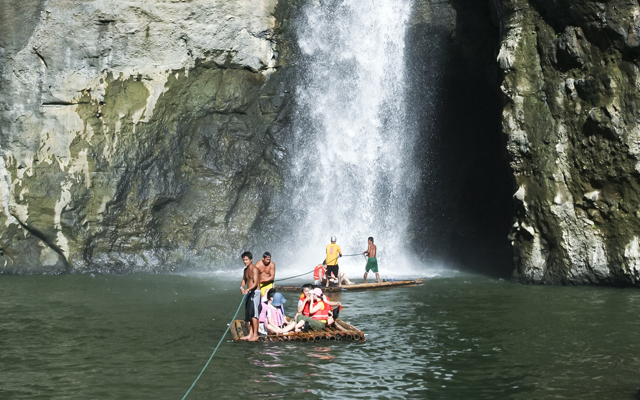
The majestic view of the main falls: A reward after the intense boat ride.
📊 Quick Guide: Pagsanjan Falls Snapshot
| Category | Details |
|---|---|
| Travel Time | 2.5 - 3 hours from Metro Manila |
| Activity Level | Moderate to High (Physical splashing and rafting) |
| Best Time to Visit | Weekdays (to avoid local crowds) / Dry Season |
💡 Tony’s Insight: The Evolution of Adventure
As an enthusiast of the finer details, I see the decline of Pagsanjan in mainstream media not as a loss of quality, but as a shift in market optimization. Modern travelers want "frictionless" experiences. Pagsanjan, with its physical intensity and logistical quirks, is no longer for everyone—and perhaps that is its new charm.
It has transitioned from a "commercial factory" to an "authentic ecotourism" spot for those willing to endure the rapids for the sake of raw nature.
📝 Final Verdict: Is it worth it in 2026?
Yes, if you crave authenticity. If you are tired of the sanitized, over-filtered travel photos and want to feel the raw power of Philippine nature, Pagsanjan Falls is still the king. Just be sure to set clear expectations with your boatmen and enjoy the rhythm of the river.